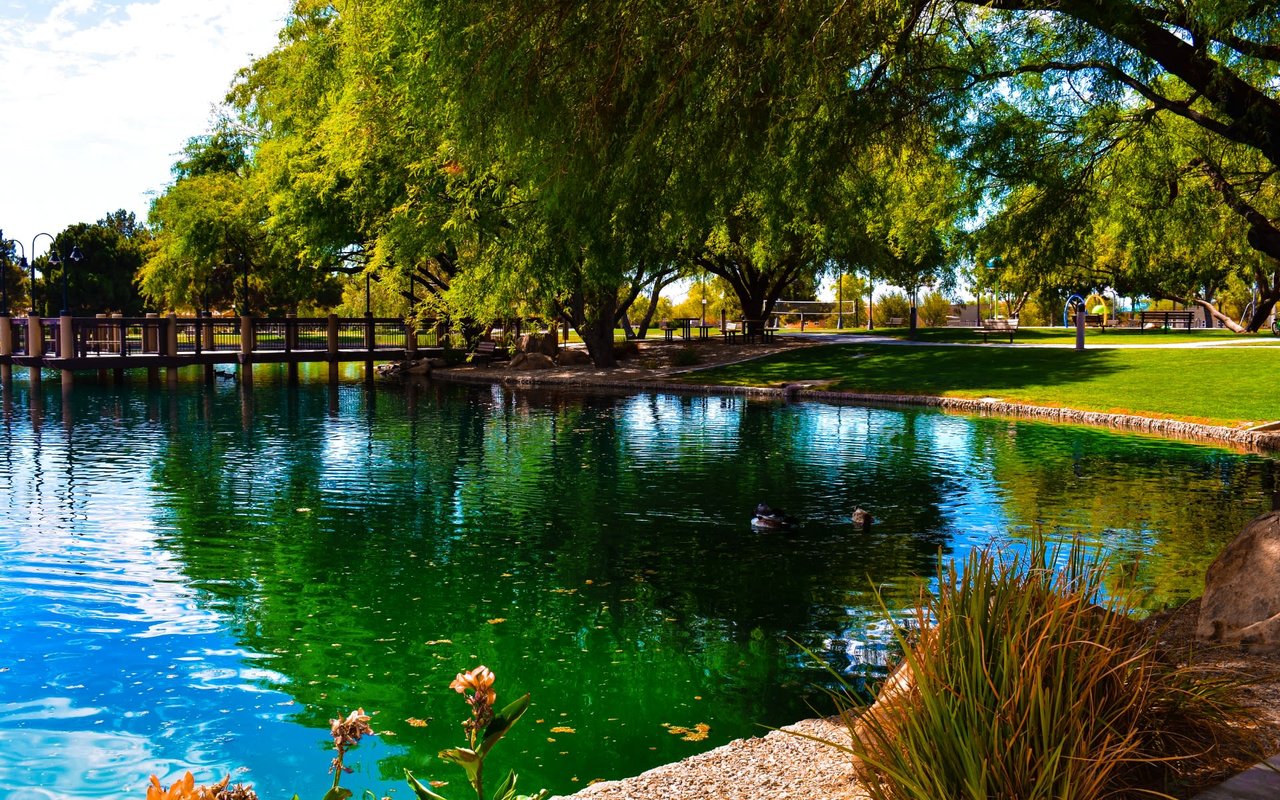
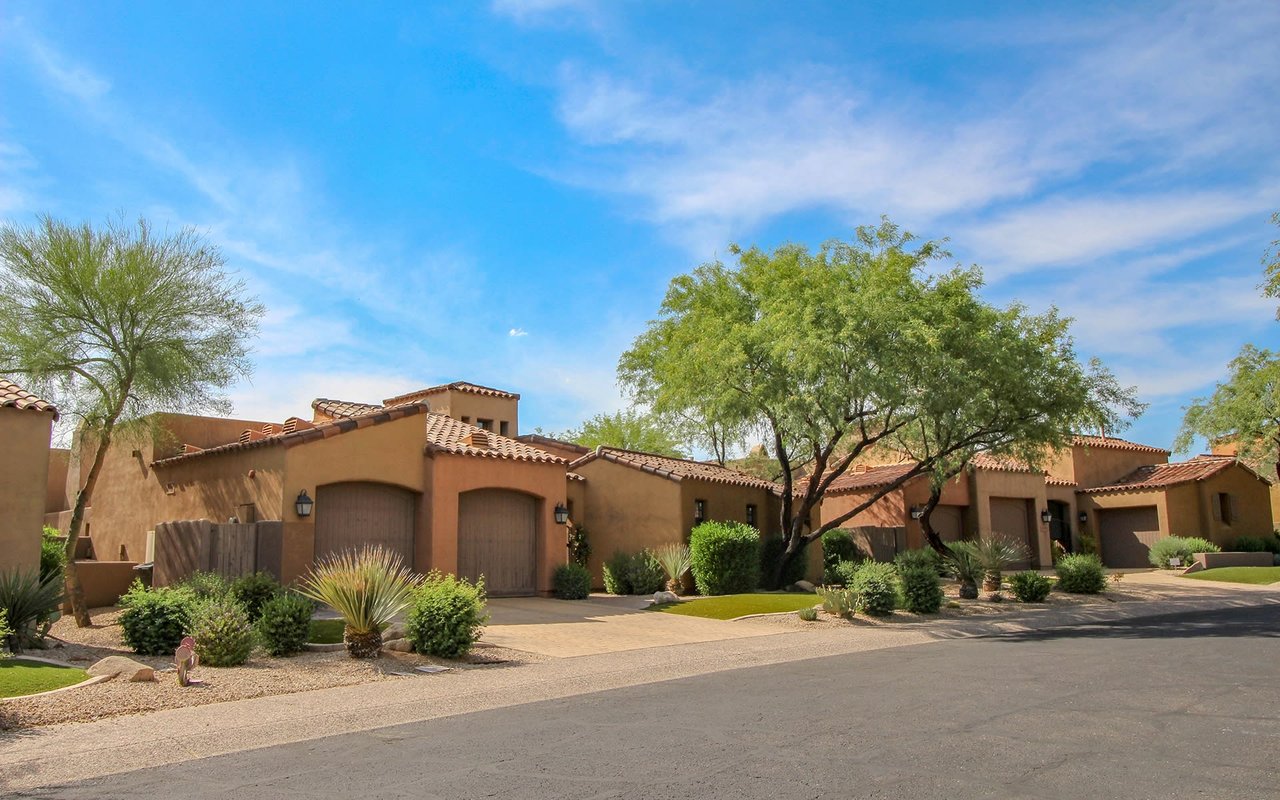
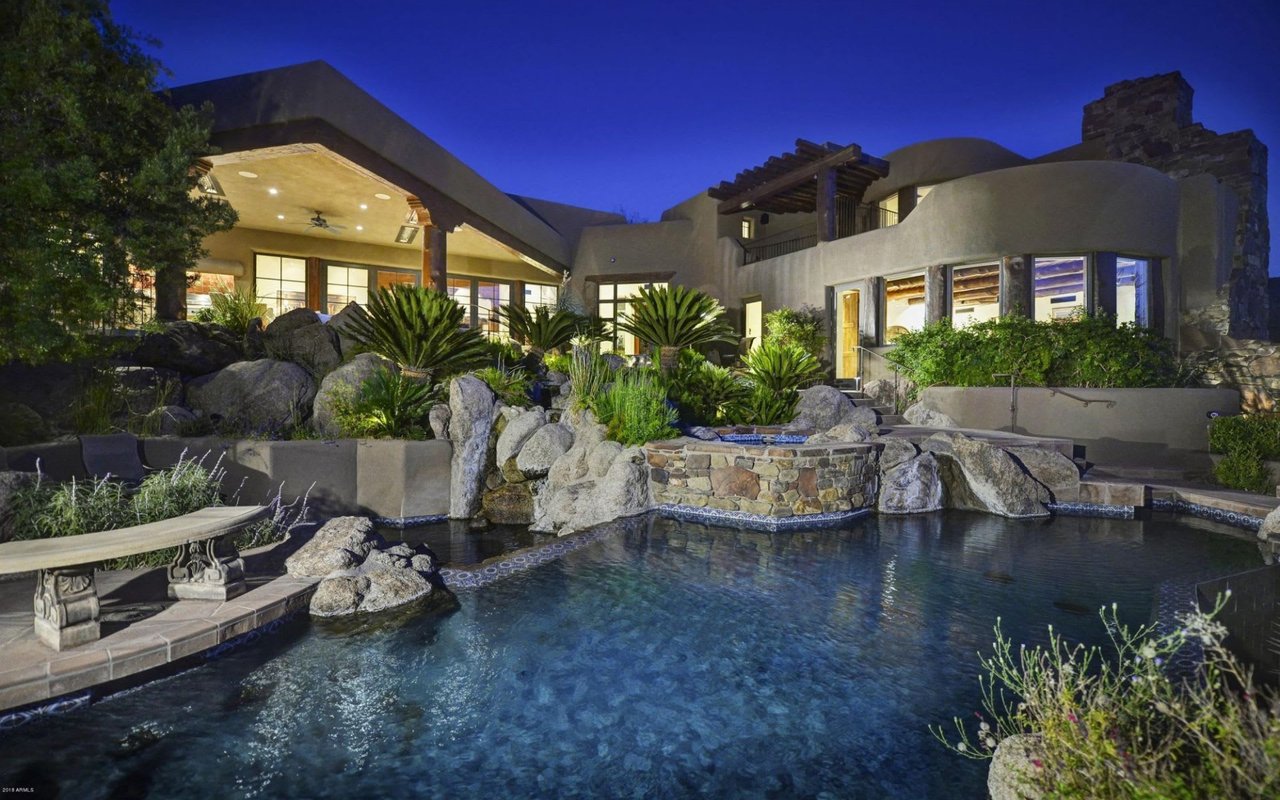
Phoenix AZ Real Estate
We LOVE living in Phoenix. It’s the 6th largest city in the United States and with a Metro Phoenix population of 4.5 million people, it's a big city with a small town feel. Friends from outside of the area who visit Phoenix often comment that living here feels like a perpetual vacation.”
— Mike & Mary Jo Santistevan, The Santistevan Group
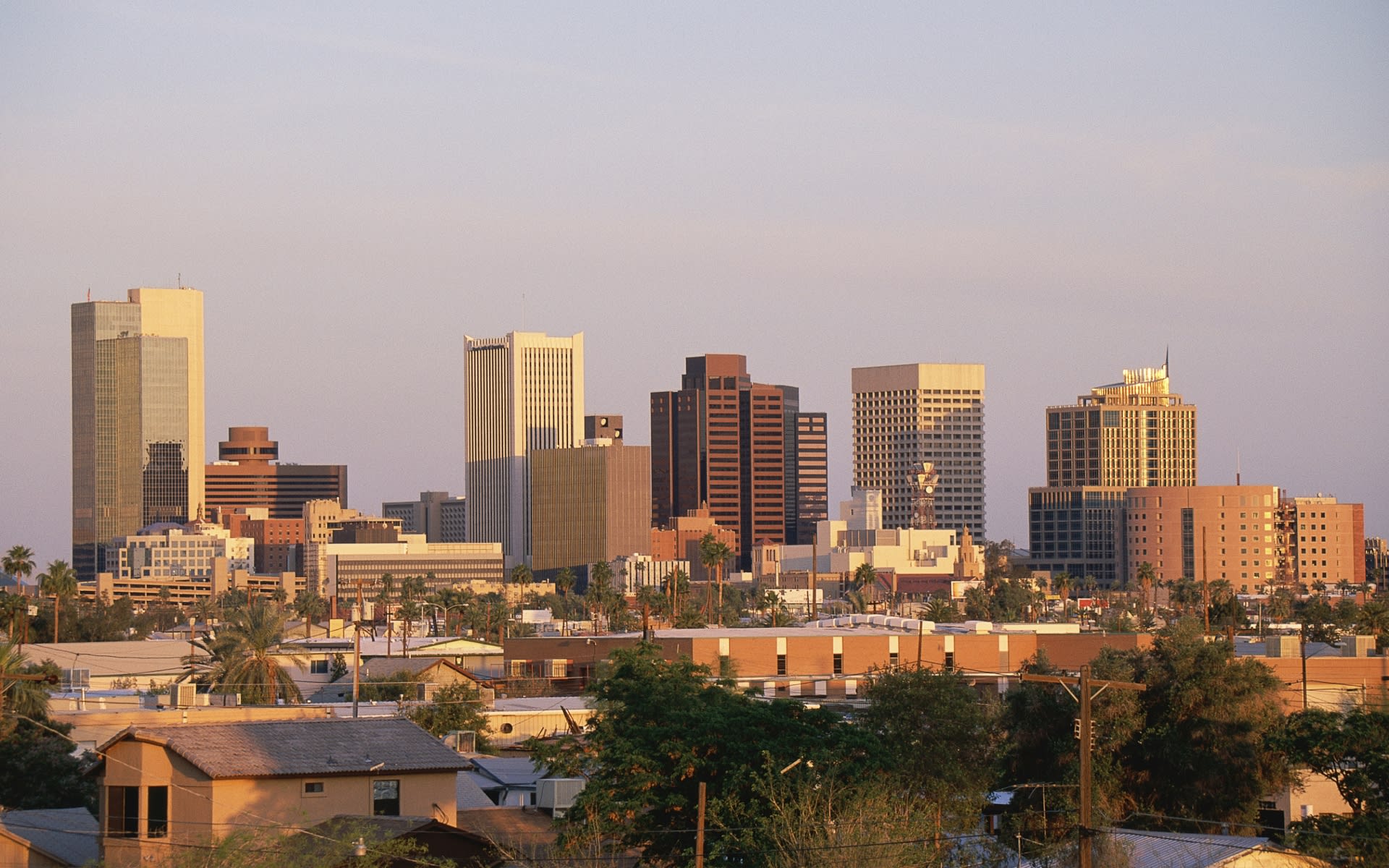
Phoenix, Arizona – Community Overview & Real Estate Guide
As one of the fastest-growing metropolitan areas in the United States, Phoenix offers a dynamic blend of urban energy, desert beauty, and diverse real estate opportunities. Known for its year-round sunshine, expansive landscapes, and thriving economy, Phoenix attracts primary homeowners, investors, and relocation buyers seeking both lifestyle and long-term value.
Overview of Phoenix, AZ
Spanning over 500 square miles, Phoenix is the fifth-largest city in the U.S., offering a wide range of neighborhoods from luxury enclaves like Paradise Valley and Arcadia to urban hubs in Downtown Phoenix and family-friendly suburbs across the Valley. Residents benefit from major highways like I-10, Loop 101, and Loop 202, access to outdoor destinations such as Camelback Mountain and Papago Park, and a growing dining, arts, and tech scene. Whether you're searching for a modern condo, a desert estate, or an investment property, Phoenix provides a versatile and resilient real estate market.
| Key Facts about Phoenix, AZ | |
|---|---|
| Area | ~517 sq mi (city) |
| County | Maricopa County |
| Established | Incorporated in 1881 |
| Population (recent est.) | ~1.6 million (city) |
| Notable Areas | Downtown Phoenix • Arcadia • Paradise Valley • Desert Ridge • North Phoenix • Ahwatukee |
| Signature Attractions | Camelback Mountain • Desert Botanical Garden • Papago Park • Phoenix Art Museum • Roosevelt Row Arts District • Golf courses & desert resorts |
| Main Roads | I-10 • Loop 101 • Loop 202 • SR 51 • I-17 |
From luxury desert estates to modern urban residences, Phoenix delivers a compelling mix of lifestyle, investment potential, and year-round livability—making it one of the most attractive real estate markets in the Southwest.
Location & Connectivity in Phoenix
Phoenix sits in the heart of the Valley of the Sun, offering broad access across Central Arizona through an extensive freeway network, Valley Metro bus service, and light rail connections through Phoenix, Tempe, and Mesa. The city blends urban convenience with desert recreation, connecting residents to major employment centers, shopping districts, restaurants, arts venues, golf courses, and mountain preserves.
For regional and long-haul travel, Phoenix Sky Harbor International Airport provides the city’s primary air gateway, with the PHX Sky Train connecting airport terminals, parking, rental cars, and Valley Metro Rail at 44th Street/Washington. Day-to-day mobility is primarily car-friendly, while walkable pockets, cycling routes, ride apps, and transit options support convenient movement across key neighborhoods.
| Connectivity & Transportation — Phoenix, AZ | |
|---|---|
| Location Map & City Overview | Central Arizona’s largest city and the economic anchor of the Phoenix metropolitan area. Phoenix is connected by major freeways, Valley Metro transit, and Phoenix Sky Harbor International Airport, with neighborhoods extending from Downtown and Midtown to Arcadia, Biltmore, Desert Ridge, North Phoenix, and Ahwatukee. |
| Nearby Areas & Communities |
|
| Attractions & Points of Interest |
|
| Public Transport |
|
| Road Access & Main Highways |
|
| Typical Drive Times* |
*Subject to traffic, events & freeway conditions
|
| Parking | Parking availability varies by neighborhood. Downtown Phoenix offers metered street parking, garages, and event parking, while suburban shopping centers, resorts, trailheads, and residential areas typically provide on-site or surface parking. Major events and peak trail hours can create limited availability in popular areas. |
| Walking & Cycling | Walkability is strongest in Downtown Phoenix, Roosevelt Row, Midtown, Uptown, Arcadia dining corridors, and select mixed-use districts. Cyclists can access neighborhood bike routes, canal paths, and recreation areas, while hikers benefit from quick access to Camelback Mountain, Papago Park, Phoenix Mountains Preserve, and South Mountain. |
| Taxi & Ride Apps | Uber and Lyft operate widely throughout Phoenix and the surrounding metro area. Traditional taxis, black-car services, hotel shuttles, airport transportation, and autonomous ride options are also available in select service areas. |
| Airport Access |
|
| Accessibility & EV | Major public venues, airports, transit services, resorts, and shopping districts offer accessibility features, though specific accommodations should be confirmed in advance. EV charging is available across Phoenix at select retail centers, hotels, workplaces, public garages, and major travel corridors. |
Phoenix combines major-city connectivity with desert lifestyle appeal—offering freeway access, airport convenience, expanding transit options, outdoor recreation, and diverse neighborhoods across one of the Southwest’s most active real estate markets.
Phoenix Real Estate Market Trends (2026)
Phoenix’s real estate market continues to show resilience, supported by strong population growth, a diverse economy, and steady demand across primary residences, investment homes, and luxury desert properties. As of early 2026, the city’s median sale price is around $460K, with a median price per sq. ft. near $280. Homes typically sell in about 51 days, giving buyers more room to compare options while well-priced properties in desirable neighborhoods remain competitive. Demand is especially active in areas with strong freeway access, walkability, mountain views, updated finishes, and proximity to employment centers, schools, dining, and outdoor recreation.
| Property Type | Median Price (USD) | Price per Sq.Ft (USD) | Average Rent (USD/month) | Rental Yield |
|---|---|---|---|---|
| 2BR Condo / Urban Residence | $335,000 (est.) | $280 | $1,400 | 5.0% (est.) |
| 2BR Townhome | $375,000 (est.) | $280 | $1,750 | 5.6% (est.) |
| 3BR Single-Family Home | $460,000 (est.) | $280 | $2,200 | 5.7% (est.) |
| 4BR Desert / Luxury Home | $725,000 (est.) | $280 | $3,000 | 5.0% (est.) |
Methodology & Notes: Citywide median sale price ($460K) and $280/sq.ft. are based on current Phoenix housing market trackers. Rental estimates reflect current Phoenix apartment and single-family rental averages, adjusted by property type and size. Yield estimates vary by neighborhood, condition, amenities, HOA costs, lease terms, and proximity to employment centers, freeways, schools, and lifestyle amenities.
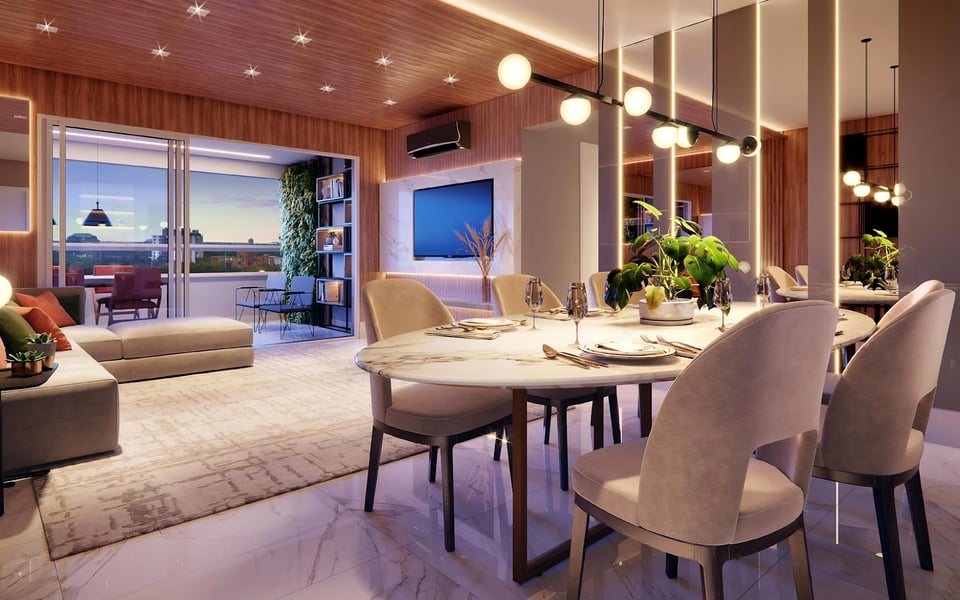
Lifestyle in Phoenix
Life in Phoenix blends desert beauty, urban convenience, and year-round outdoor living. As Arizona’s largest city, Phoenix offers a wide mix of neighborhoods, from walkable downtown districts and historic enclaves to luxury desert communities near mountain preserves. Residents enjoy acclaimed restaurants, golf, hiking, arts venues, resort amenities, and convenient access across the Valley through major freeways and Phoenix Sky Harbor International Airport.
Location in Phoenix
Central Arizona city anchoring the Valley of the Sun. Phoenix connects easily to Scottsdale, Tempe, Glendale, Mesa, and Paradise Valley through I-10, I-17, Loop 101, Loop 202, and SR 51.
Community in Phoenix
Diverse and fast-growing, with urban districts, historic neighborhoods, master-planned communities, and luxury desert enclaves. Each area offers a distinct mix of architecture, lifestyle, and local amenities.
Dining in Phoenix
Phoenix has a strong food scene with Southwestern cuisine, chef-driven restaurants, resort dining, coffee shops, rooftop bars, and neighborhood favorites in areas like Downtown, Arcadia, Biltmore, and Roosevelt Row.
Education in Phoenix
Phoenix is served by multiple public school districts, charter schools, private schools, and higher education options. Arizona State University, Grand Canyon University, and community colleges are located within the broader metro area.
Housing in Phoenix
Housing ranges from condos and townhomes to single-family homes, historic bungalows, golf properties, and luxury desert estates. Premiums often apply for mountain views, updated interiors, large lots, and desirable school or commute access.
Transportation in Phoenix
Most daily travel is car-oriented, supported by major freeways and wide arterial roads. Valley Metro provides bus and light rail service, while Phoenix Sky Harbor International Airport offers convenient regional and national access.
Climate in Phoenix
Desert climate with very hot summers, mild winters, and abundant sunshine. Outdoor activities are especially popular in fall, winter, and spring, while summer living often centers around pools, shaded patios, and indoor amenities.
Amenities in Phoenix
Residents enjoy shopping centers, golf courses, resorts, fitness clubs, hospitals, entertainment venues, museums, sports arenas, parks, and hiking preserves. Lifestyle amenities vary widely by neighborhood and price point.
Demographics in Phoenix
Phoenix is a large, diverse, and growing city with young professionals, families, retirees, students, entrepreneurs, and relocation buyers. Its economy includes healthcare, technology, education, finance, tourism, and professional services.
Pros in Phoenix
Strong job market, broad housing options, major airport access, year-round sunshine, outdoor recreation, golf, dining, and relative affordability compared with many coastal luxury markets.
Cons in Phoenix
Extreme summer heat, car dependency in many areas, seasonal utility costs, traffic on major corridors, and due diligence around HOA rules, flood zones, water use, and desert landscaping requirements.
Outdoor Activities in Phoenix
Hiking, mountain biking, golf, resort pools, desert gardens, trail running, horseback riding, and scenic drives are part of daily life. Popular outdoor destinations include Camelback Mountain, Papago Park, Phoenix Mountains Preserve, and South Mountain.
Phoenix offers a balanced desert lifestyle with city convenience, outdoor access, and diverse real estate options—making it a compelling choice for buyers seeking sunshine, space, and long-term growth in the Southwest.
Amenities in Phoenix, AZ
Phoenix offers a full range of big-city amenities, from leading healthcare systems and luxury shopping destinations to desert recreation, arts venues, dining districts, and everyday services. Below are key highlights that support quality of life across the city and surrounding Valley communities.
-
Hospitals & Clinics in Phoenix
Central Phoenix • North Phoenix • Regional AccessPhoenix offers access to major hospitals, specialty care, emergency services, and regional healthcare systems serving the broader metro area.- Banner – University Medical Center Phoenix — Central Phoenix
- St. Joseph’s Hospital and Medical Center — Midtown Phoenix
- Mayo Clinic Hospital — North Phoenix
- Phoenix Children’s Hospital — Thomas Road corridor
-
Shopping & Markets in Phoenix
Biltmore • Desert Ridge • Downtown • Nearby ScottsdaleShopping ranges from upscale outdoor centers and designer retail to farmers’ markets, local boutiques, and everyday neighborhood conveniences.- Biltmore Fashion Park — luxury outdoor shopping and dining
- Desert Ridge Marketplace — retail, restaurants, and entertainment
- Uptown Farmers Market — local produce, food, and artisan vendors
- Scottsdale Fashion Square — high-end regional shopping nearby
-
Fitness & Recreation in Phoenix
Gyms • Trails • Golf • ParksPhoenix is built for active living, with expansive desert preserves, fitness studios, golf courses, recreation centers, and year-round outdoor amenities.- South Mountain Park and Preserve — hiking, biking, scenic drives
- Camelback Mountain — iconic hiking destination
- Phoenix Mountains Preserve — trails and desert recreation
- City of Phoenix Parks — parks, pools, golf courses, and recreation centers
-
Arts & Culture in Phoenix
Museums • Galleries • Performing ArtsThe city’s cultural scene includes major museums, public art, performance venues, galleries, and creative districts with year-round programming.- Phoenix Art Museum — visual arts and exhibitions
- Heard Museum — Indigenous art and cultural collections
- Roosevelt Row Arts District — galleries, murals, dining, and events
- Arizona Financial Theatre — concerts and live performances
-
Dining & Entertainment in Phoenix
Downtown • Arcadia • Biltmore • Roosevelt RowPhoenix’s dining and entertainment scene includes chef-driven restaurants, resort dining, cocktail bars, sports venues, coffee shops, and neighborhood favorites.- Downtown Phoenix — sports, dining, concerts, and nightlife
- Arcadia — popular restaurants, cafes, and local dining
- Biltmore Area — upscale dining and resort experiences
- Roosevelt Row — casual restaurants, bars, art walks, and events
-
Outdoor & Desert Attractions in Phoenix
Gardens • Preserves • Scenic ViewsPhoenix’s desert setting gives residents quick access to botanical gardens, mountain trails, scenic parks, and open-air attractions throughout the year.- Desert Botanical Garden — desert plants, trails, and seasonal events
- Papago Park — trails, red rock formations, and city views
- Japanese Friendship Garden — peaceful urban garden downtown
- Encanto Park — green space, lagoon, sports areas, and recreation
Schools & Preschools in Phoenix
Families in Phoenix are served by a wide range of public school districts, including Phoenix Elementary School District #1, Phoenix Union High School District, and several surrounding district boundaries depending on neighborhood. The city also offers many charter, private, Montessori, and independent school options, giving families flexibility across elementary, middle, high school, and early learning levels.
Phoenix is home to hundreds of public, charter, and private schools, with programs ranging from neighborhood campuses and college-prep academies to arts, STEM, dual-language, classical education, Montessori, and specialty learning models. Always confirm current attendance zones, enrollment rules, transfer options, and program availability before applying.
| School / Preschool | Type | Location | Highlights |
|---|---|---|---|
| Madison Traditional Academy | Public (K–8) — Madison School District | Central Phoenix | Structured academic model with strong core curriculum, enrichment, and high family involvement. |
| Kyrene de la Sierra Elementary | Public (K–5) — Kyrene School District | Ahwatukee / South Phoenix | Neighborhood elementary option serving the Ahwatukee area with academics, enrichment, and community programming. |
| Echo Mountain Primary School | Public (PK–3) — Paradise Valley Unified | North Phoenix | Early elementary campus focused on foundational academics, social development, and family engagement. |
| Madison Meadows Middle School | Public (5–8) — Madison School District | Central Phoenix | Middle-grade academics with electives, athletics, leadership opportunities, and neighborhood access. |
| Desert Vista High School | Public (9–12) — Tempe Union High School District | Ahwatukee / Phoenix | Large comprehensive high school with AP courses, athletics, performing arts, clubs, and college-prep pathways. |
| Central High School | Public (9–12) — Phoenix Union High School District | Central Phoenix | Established urban high school with academic pathways, extracurriculars, athletics, and access to Phoenix Union programs. |
| North High School | Public (9–12) — Phoenix Union High School District | Midtown Phoenix | Comprehensive high school with college-prep coursework, arts, athletics, and central-city accessibility. |
| Bioscience High School | Public Specialty (9–12) — Phoenix Union High School District | Downtown Phoenix | Specialized STEM-focused campus emphasizing bioscience, research, project-based learning, and college readiness. |
| Arizona School for the Arts | Public Charter (5–12) | Downtown Phoenix | College-prep academics paired with intensive performing arts instruction in music, theatre, and dance. |
| BASIS Phoenix | Public Charter (Grades vary by campus) | North Phoenix | Rigorous college-preparatory charter model with advanced academics, STEM emphasis, and high expectations. |
| Great Hearts Academies | Public Charter Network (K–12) | Phoenix Metro Area | Classical liberal arts curriculum with multiple campuses across the Phoenix area; enrollment depends on campus availability. |
| Phoenix Country Day School | Private Independent (PK–12) | Paradise Valley / Phoenix Area | Independent college-prep school known for small classes, academics, arts, athletics, and full PK–12 programming. |
| Montessori Day School | Private Montessori (Pre-K–8) | Phoenix | Montessori program serving early childhood through middle school with hands-on learning and student independence. |
| Phoenix Montessori Academy | Private Montessori Preschool / Kindergarten | Phoenix | Early learning programs for toddlers through kindergarten, with Montessori-based classrooms and child-led learning. |
Districts: Phoenix Elementary School District #1, Phoenix Union High School District, Madison School District, Paradise Valley Unified, Kyrene School District, and additional surrounding districts depending on address. Tip: Phoenix includes 30 public school districts and more than 200 charter and private schools, so boundaries, transportation, admissions, waitlists, and program availability should be verified directly with each school or district.
Investment Potential in Phoenix, AZ
Phoenix remains one of the Southwest’s most active real estate markets, supported by population growth, major employment centers, airport access, and broad buyer demand across primary residences, rentals, and luxury desert homes. As of March 2026, Phoenix homes sold for a median price of about $460,000, while the average home value is around $410,000. The market has cooled from peak pandemic-era conditions, creating more negotiating room for buyers while still offering long-term appeal in well-located neighborhoods with strong lifestyle access.
Why Phoenix? The city combines relative affordability compared with coastal markets, a large rental base, steady in-migration, and access to major industries including healthcare, technology, finance, education, logistics, and tourism. While values are slightly down year over year, rental demand remains meaningful, with Phoenix median rent around $1,650 as of April 2026. Investors often focus on updated single-family homes, townhomes, condos near employment corridors, and luxury properties in areas such as Arcadia, Biltmore, North Phoenix, and desert-view neighborhoods.
| Market Segment | Median Price | YOY Change | Days on Market |
|---|---|---|---|
| Phoenix Citywide | $460K | -5.2% | 51 days |
| Average Home Value | $410K | -2.7% | Market dependent |
| Condos / Townhomes | $300K–$425K est. | Varies by area | 45–70 days est. |
| Luxury / Desert Homes | $725K–$2M+ est. | Location driven | 60+ days est. |
The Phoenix market offers compelling advantages for long-term real estate investors. Current conditions are more balanced than prior years, with higher inventory and longer marketing times giving buyers more selectivity. At the same time, the city’s scale, job base, rental demand, and lifestyle appeal continue to support investment activity. Well-located homes near freeways, employment hubs, schools, shopping, trail access, and renovated neighborhood corridors often remain among the strongest performers.
Key Investment Highlights:
- Phoenix remains a major Sun Belt growth market with broad demand from local buyers, relocation buyers, renters, and investors.
- Current price softening may create more attractive entry points compared with peak market conditions.
- Median rent around $1,650 supports rental-income potential, especially for well-maintained properties near employment and lifestyle amenities.
- Single-family homes, townhomes, and updated condos can appeal to different renter and buyer profiles across the city.
- Luxury demand is strongest in areas with mountain views, larger lots, resort access, privacy, and proximity to Scottsdale, Arcadia, Biltmore, and Paradise Valley.
Whether targeting income-producing rentals, updated single-family homes, urban condos, or luxury desert residences, Phoenix offers a strong mix of affordability, scale, and long-term growth fundamentals. Investors should evaluate neighborhood-level trends carefully, including HOA rules, insurance, maintenance costs, short-term rental regulations, utility expenses, and summer-season operating considerations.
Thinking About Moving to Phoenix?
In the heart of the Valley of the Sun, Phoenix offers a lifestyle shaped by desert scenery, year-round sunshine, and big-city convenience. From Downtown Phoenix and Roosevelt Row to Arcadia, Biltmore, Desert Ridge, and Ahwatukee, each area offers a distinct mix of dining, recreation, shopping, and residential character.
Housing options range from modern condos and townhomes to single-family homes, golf properties, and luxury desert estates. Premiums often rise with mountain views, updated interiors, larger lots, resort-style amenities, and access to desirable school boundaries, employment centers, and freeway corridors.
Daily life in Phoenix centers around outdoor recreation, dining, arts, sports, and resort-style living. Residents enjoy hiking Camelback Mountain, exploring Papago Park and South Mountain, visiting museums and galleries, and taking advantage of golf courses, shopping districts, and entertainment venues throughout the metro area.
With its blend of urban access, desert beauty, and long-term growth potential, Phoenix remains one of Arizona’s most attractive destinations for full-time living, relocation buyers, second homes, and investment properties.
Explore Phoenix Real Estate →Frequently Asked Questions about Phoenix
- How much does it cost to live in Phoenix?
-
- Condos/Townhomes: ~$280K–$425K depending on location and amenities
- Single-family homes: ~$400K–$600K+ across most neighborhoods
- Luxury homes: $725K–$2M+ in areas like Arcadia, Biltmore, and North Phoenix
Pricing varies by neighborhood, condition, lot size, and proximity to amenities, views, and employment centers. - Is Phoenix a good place for investment properties?
- Yes—Phoenix remains one of the strongest Sun Belt markets for real estate investment due to population growth, job expansion, and rental demand. Investors typically target single-family rentals, townhomes, and condos near employment hubs. Short-term rental regulations vary by city and HOA, so review local guidelines before purchasing.
- What is the rental market like in Phoenix?
-
- Long-term rentals: ~$1,300–$1,800 (1–2BR units), ~$1,900–$2,800+ (single-family homes)
- Luxury rentals: $3,000+ depending on size, location, and amenities
Rental demand is strongest near employment centers, freeways, and lifestyle areas like Downtown, Arcadia, and Biltmore. - What types of properties are common in Phoenix?
- Phoenix offers a wide range of housing, including condos, townhomes, single-family homes, golf properties, and luxury desert estates. Older homes in central neighborhoods and newer builds in master-planned communities are both common.
- What makes Phoenix unique compared to other cities?
- Phoenix stands out for its year-round sunshine, desert landscapes, and outdoor lifestyle. The combination of affordability relative to coastal markets, strong job growth, and access to hiking, golf, and resort-style amenities makes it a highly attractive place to live.
- How do people get around, and which airports serve Phoenix?
- Most residents rely on cars, with major routes including I-10, Loop 101, Loop 202, and I-17. Phoenix also offers Valley Metro light rail and bus service. The main airport is Phoenix Sky Harbor International Airport (PHX), with additional access via Phoenix-Mesa Gateway Airport.
- Which schools serve Phoenix?
- Phoenix is served by multiple districts including Phoenix Union High School District, Madison School District, and Paradise Valley Unified, along with charter networks like BASIS and Great Hearts. Private and Montessori options are also widely available.
Phoenix combines growth potential, lifestyle appeal, and accessibility—making it a strong choice for living, investing, and long-term value.